
Forest Park Previous Residents by Era
A backward trail starts by choosing the source that fits the time period. The Auditor establishes the present parcel and its transfer lead. Recorder material supplies recorded instruments. Library directories can place an address in a printed year when the volume has confirmed coverage. Older Hamilton County material can concern land that predates the City itself, so a modern street search will eventually need legal-description, plat, or archive work.
| Source | Years It Covers | Where Held | What It Shows |
|---|---|---|---|
| Auditor property and transfer data | Current live service | Hamilton County Auditor | Parcel, tax record, legal description, and transfer bridge. |
| Recorder Acclaim | Current releases through Aug. 27, 2026; Book/Page cutover May 31, 1988 | Hamilton County Recorder | Modern instrument route, recorded parties, and title links. |
| Recorder and Probate historic material | County records from 1791; category varies | Recorder historic routes and Probate Archive | Early land, title, estates, and related county history. |
| Directories and street guides | 1948 digitized predecessor example; later Forest Park years require catalog confirmation | CHPL Digital Library and Genealogy Department | Dated printed address listings when the volume covers the place. |
| Federal population census | 1950 is the latest full public census in 2026 | National Archives and library genealogy access | Pre-Forest Park population and family context. |
| Permit or code file | Published range not located | Forest Park Building Department | Dated property-event evidence for a known address. |
Start with the Auditor and Recorder for a recent title question. Start with CHPL staff for an uncertain historic year. For a document absent from a remote index, the documented alternatives are the Recorder or Probate counter, historic-record routes, FamilySearch access where available, library resources, and Ohio History Connection archival guidance.
Forest Park Previous Residents Start Here
Use the Hamilton County Auditor Property Search to establish the current parcel before following any old name. The address route takes an exact or low house number and street base without a suffix; it also permits a low-to-high number range. Record the parcel ID, situs address, tax-record owner, tax-mailing address, legal description, conveyance number, transfer date, price, and the source date. These are distinct fields, and they should remain distinct in a house-history log.
The tax-mailing contact might not match the situs address, and the tax-record owner is not a complete list of people who lived there. The legal description is often the more durable key. If an earlier entry has a subdivision and lot but no current number, that description can bridge the current parcel to Recorder instruments and plats.
Note: preserve a transfer entry as an index lead until the matching recorded instrument identifies the type and date of the event.
Trace Forest Park Previous Residents
Follow the recorded chain backward after saving the parcel and transfer facts. The Hamilton County Recorder Acclaim offers routes for Auditor number, party name, Book/Page, document number, subdivision or lot, and date. The Recorder’s own guide directs researchers to begin with Auditor facts, then use the parcel, conveyance information, and legal description to locate the instrument. When an image or certified copy is not available through the index, use the Recorder counter or its copy and certification route.
- Find the newest deed or related instrument using the Auditor parcel number, transfer facts, and date bounds where useful.
- Log the document type, recording date, instrument or document number, Book/Page when present, legal description, and every party’s stated role.
- Search the recorded seller as a grantee on an earlier acquisition, then compare the predecessor’s legal description with the current parcel.
- Repeat backward until the description changes, the parcel splits or combines, or the searchable modern record trail ends.
- At that point, shift to subdivision or lot, plat, Book/Page, historic Recorder material, FamilySearch guidance, or office assistance instead of repeating an address-only search.
- Grantor / grantee
- The grantor conveys an interest in an instrument; the grantee receives it. Neither role alone says who lived at the address.
- Chain of title
- A documented sequence of recorded interests connected by party roles, dates, and legal descriptions.
- Legal description
- The lot, subdivision, or other recorded land description. It can outlast a change in street-number form.
- Criss-cross directory
- A reverse directory format that can list names by address for a particular printed year, if the library confirms that volume.
- Enumeration district
- The geographic unit used to organize a census schedule, useful for locating a household after the correct historic geography is known.
Forest Park Previous Residents in 1956
Forest Park has a sharp pre-city and city-era divide. Its first homes opened for purchase in the C section in March 1956, while Hamilton County land and Probate Archive material reaches much further back. Historical accounts place village incorporation in 1961 and city status in 1968. A 1950 census entry or a pre-1956 directory can therefore describe predecessor land or nearby northern Hamilton County geography, not an incorporated Forest Park household.
For an early Forest Park address, build a first-appearance file rather than naming a first resident from one record. Combine the earliest current-parcel legal description, first recorded deed or subdivision instrument, earliest tax or transfer row, an available catalog-confirmed post-1956 street guide, a retained permit record, and a matching contemporary newspaper or community reference. A developer conveyance is a property event; it does not by itself establish who lived there.
Forest Park Previous Residents Without Numbers
Street numbers can vanish from early deeds even when the property is the same. In that situation, use Acclaim’s Subdivision/Lot, Subdivision Name, Book/Page, Document Number, or party paths, then compare the return with the Auditor legal description and CAGIS parcel. Preserve both parcel IDs if a split, consolidation, corrected description, or plat created a new key. A recorded plat and its lot language can resolve a mismatch better than a guessed street spelling.
No official Forest Park historical street-renumbering or renaming index was verified. Keep each spelling, direction, suffix, and number exactly as a source displayed it. If the conflict cannot be reconciled with the legal description, request the relevant plat, address assignment, or City record from the actual custodian and report the unresolved difference instead of changing an old record to fit a current map.
Forest Park Previous Residents in Directories
The Cincinnati & Hamilton County Public Library Genealogy & Local History Department is the countywide starting point for directory, newspaper, obituary, and microfilm help. The Forest Park Branch can be a local intake point, while the downtown department is the better route for deeper directory and historical research. Search the library catalog and Digital Library by title, year, publisher, and “criss cross,” then ask the Genealogy desk to check the actual shelf or scan run.
The Genealogy & Local History service is the proper place to confirm a historical run.
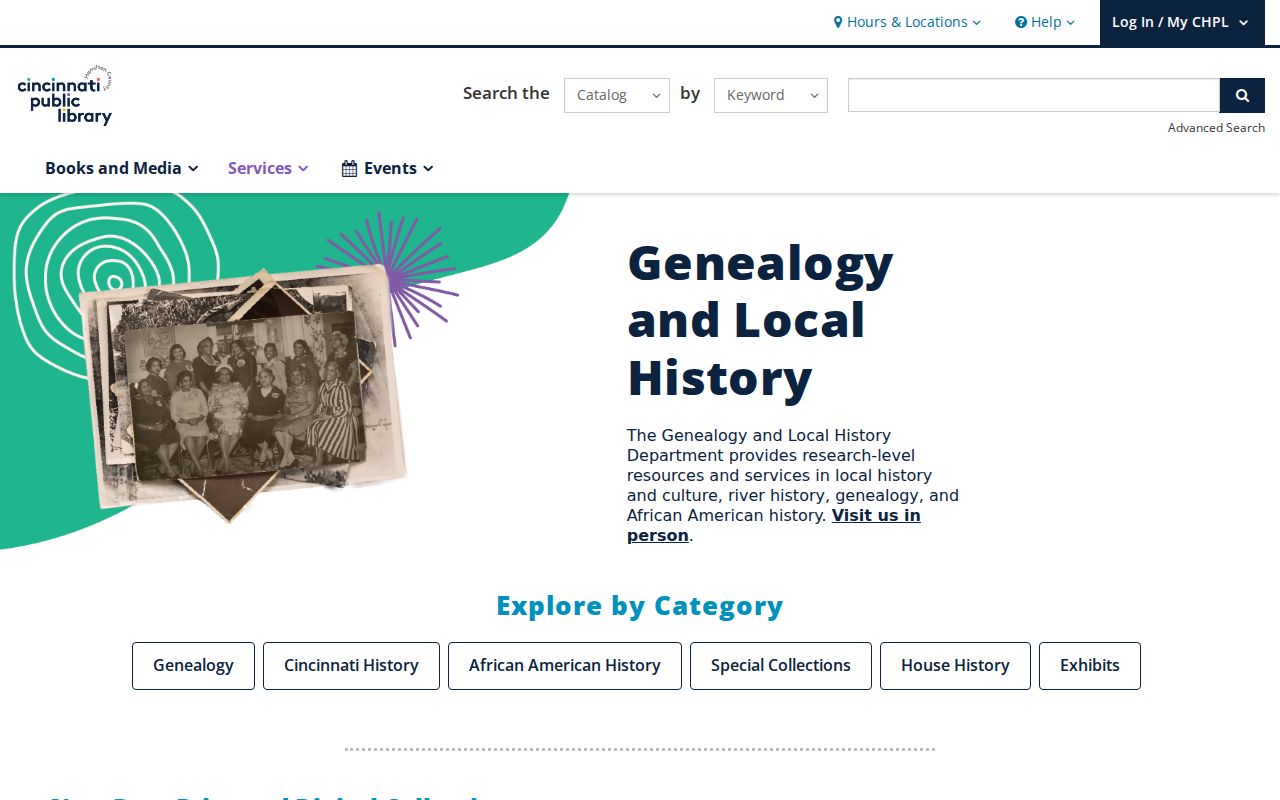
Staff confirmation matters because no authoritative online shelf list establishes every Forest Park-inclusive Williams or reverse-directory year. A directory is useful only after its coverage and date have been verified.
CHPL Digital Library provides digitized historical material that can be searched before an in-person request.
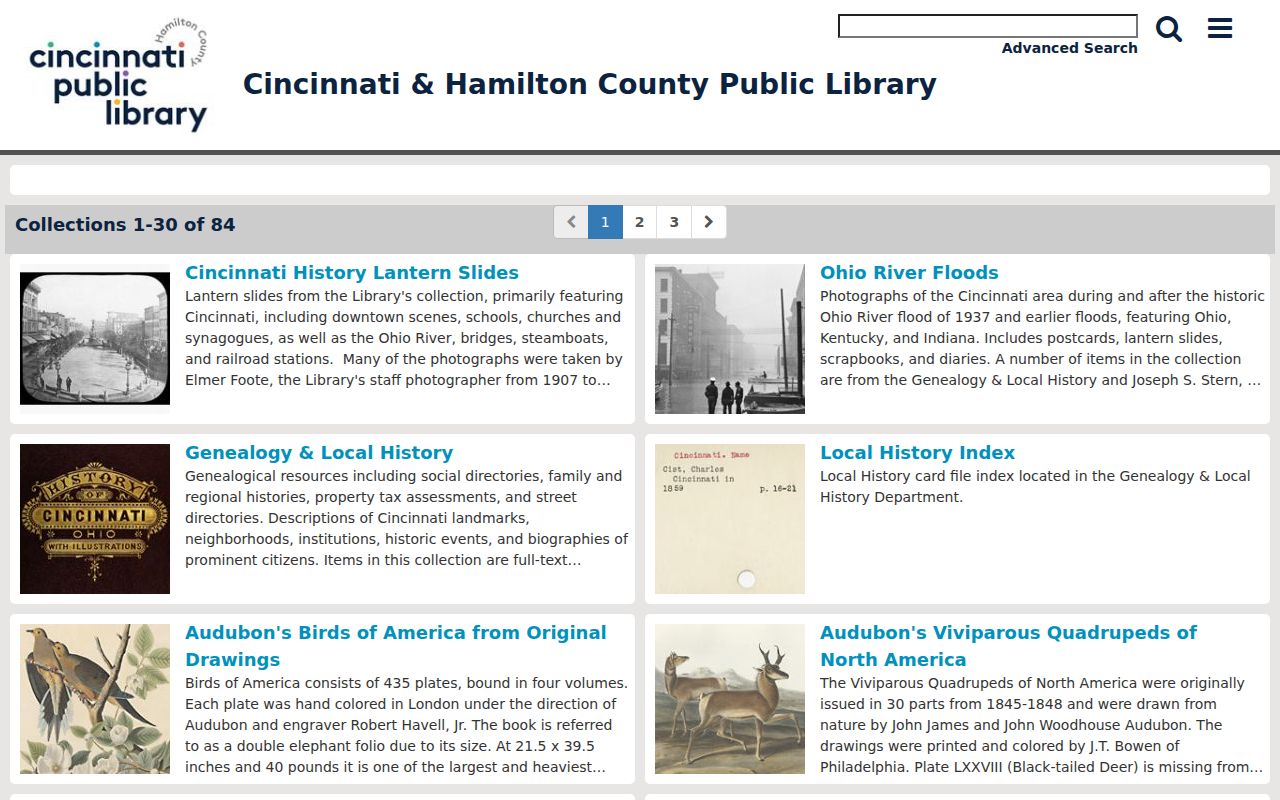
Use a digitized item as a dated published source, retaining its title page, publisher, volume year, and image or page reference with the address note.
Forest Park Past Households and Census
Williams’ Cincinnati Directory, 1948 is a digitized CHPL example of the method, not a Forest Park resident list. It predates the City’s first home sales. The volume’s paired alphabetic listings and street guide show why address-first work should use a street guide or a catalog-confirmed reverse directory. A printed entry can show a name and address, with some volumes also using spouse, widow, organization, or occupation shorthand. Read the actual year’s abbreviation key before interpreting it.
The digitized 1948 Williams directory illustrates the predecessor-area research method.
For a true Forest Park household question, ask CHPL for a catalog-confirmed volume dated after 1956 and verify the street guide’s geographic coverage before treating a listing as local evidence.
- Choose a confirmed directory year after Forest Park’s opening and transcribe the entry exactly with its page.
- Check the title page, street-guide form, and abbreviation legend, then compare the address with the Auditor transfer chain or recorded deed.
- Pair a directory year with the nearest released census schedule when the time period permits. The census can supply household context, while the directory ties the question to a printed address.
- Keep conflicts visible. Initials, a business address, a lagged move, or an omitted listing can explain a difference without proving one source wrong.
The city directory collections are covered in more detail on the Forest Park city directory page. The backward address trail uses them as one layer among parcel, deed, and archive evidence.
Forest Park Previous Residents Permit Dates
A permit, inspection, or property-maintenance record may date a physical event at an address, but it does not transfer title or identify everyone connected with the property. Forest Park’s Building Department is at 1201 W. Kemper Road, 513-595-5217. No online City address index was verified. Ask for a known address, permit or case identifier, department, and narrow date range through the counter, phone, or a City public-records request.
Forest Park’s former CivicWeb request route is deactivated; the City directs public-record requests to NextRequest. Under the Ohio Public Records Act, a focused request can state the existing record sought and preferred existing medium. The office may clarify an overbroad request, provide a fee estimate, redact exempt parts, or explain that no responsive record was found.
Forest Park Previous Residents at Trail End
Probate, obituary, and cemetery material can help close a documented address trail, but they must not replace a parcel or deed connection. The Hamilton County Probate Court public inquiry reports a case index generally from 1974, docket from 1993, documents from 2000, marriage-applicant index from 1984, and an Archive Search with widely varying material from 1791. For absent online material, use the Probate counter or a category-specific request route.
Hamilton County cemetery-location information can support a burial-place lead.
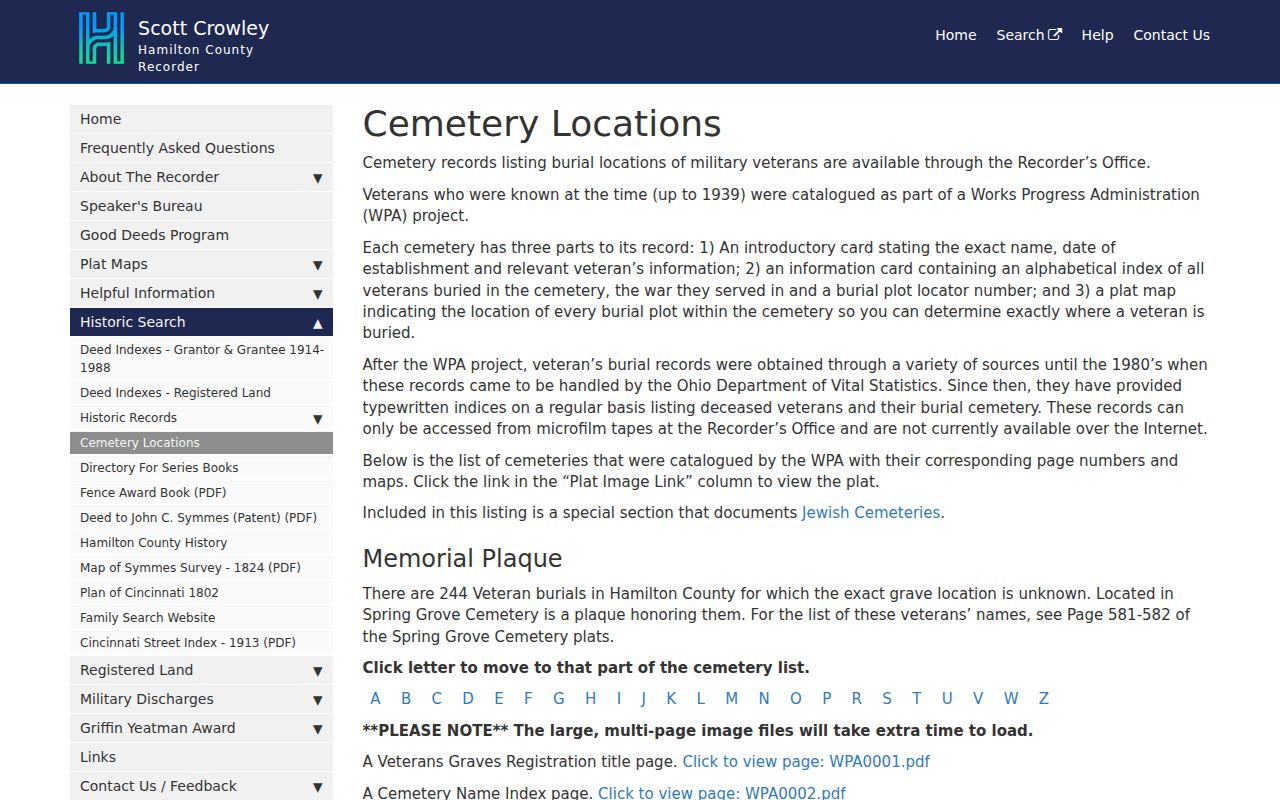
A cemetery reference can supply a death or burial clue, but it does not alone prove a person’s last residence or change the title chain. Cross-check an estate case, recorded instrument, or dated directory entry before joining it to a Forest Park address.
Lawful use. Forest Park previous-resident research is for family history, house history, and personal curiosity. Do not use records to stalk, harass, intimidate, or harm any living person.